




US flight chaos deepens as an $11 billion fuel price surge and TSA staffing shortages collide with growing travel demand ahead of the World Cup.
U.S. aviation faced severe disruption on Tuesday, April 21, as three major issues hit the system simultaneously.
The situation was driven by a TSA staffing shortage, a fuel price shock linked to geopolitical tensions, and weather-related restrictions affecting flight operations nationwide.
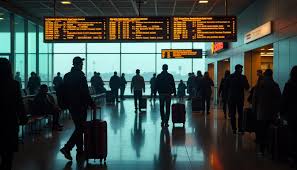
As per live FlightAware data, global flight delays surged to 8,845 on Tuesday, with 675 disruptions affecting operations in, into, or out of the United States.
A total of 421 flight cancellations were recorded worldwide, including 28 linked to U.S. airports.
San Francisco International Airport emerged as the most affected hub, reporting 475 delays and 69 cancellations after the FAA imposed weather-related restrictions. Hartsfield-Jackson Atlanta, Boston Logan, and New York’s JFK also ranked among the worst-hit airports.
Airlines most affected
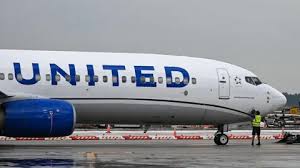
Major carriers impacted include SkyWest (7 cancellations, 68 delays), United Airlines (7 cancellations, 33 delays), Southwest Airlines (2 cancellations, 71 delays), Delta Air Lines (1 cancellation, 51 delays), and American Airlines.
International operators were also significantly disrupted, including Japan Airlines, Air China, China Eastern, Emirates, and Air Canada, all reporting heavy delays and some cancellations on U.S.-bound routes.
Schedule cuts and wider impact
Beyond cancellations, airlines have begun trimming schedules amid ongoing pressure. United Airlines has reduced around 5% of its schedule over six months, while Air Canada plans to suspend its JFK operations for a six-month period starting June 1.
Delta Air Lines also reported an estimated $400 million fuel cost hit in March.
The disruptions come as the industry braces for increased pressure ahead of the FIFA World Cup, with TSA staffing shortages expected to take several months to stabilize.