


Hundreds of vessels and around 20,000 seafarers are stranded in the Gulf amid an ongoing blockade.
Shipping traffic through the Strait of Hormuz remained broadly halted on Tuesday, with only three vessels passing the waterway in the past 24 hours, according to shipping data.
The disruption comes amid a U.S. blockade of Iranian ports that has angered Tehran, prompting Iran to maintain its own restrictions on the strategic route. The strait—normally responsible for about one-fifth of global oil and liquefied natural gas shipments—has seen operations nearly grind to a stop, leaving hundreds of ships and thousands of seafarers stranded in the Gulf.
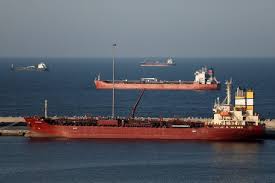
The Ean Spir products tanker—reportedly of unknown flag and ownership—transited the Strait of Hormuz on Tuesday after previously calling at an Iraqi port, according to MarineTraffic ship-tracking data.
The Lian Star cargo vessel, also with no confirmed flag or ownership, was similarly tracked passing through the strait after departing an Iranian port.
Separately, the Meda liquefied petroleum gas tanker, which had visited a UAE port, crossed the waterway on Monday on its second attempt to exit the Gulf after turning back earlier, according to satellite analysis by data firm SynMax.
These movements represent only a small fraction of the roughly 140 vessels that were passing through the strait daily before the escalation of conflict between the U.S. and Israel and Iran began on February 28.
Although more than a dozen tankers briefly crossed after Iran announced a short-lived reopening on Friday, Tehran later declared the strait closed on Saturday and reportedly fired on vessels, further heightening tensions.
“Even vessels that seemingly meet the publicly known conditions for successful transit through both blockades can find themselves in danger and unable to pass,” shipbroker BRS said in a recent note.
A ceasefire between the U.S. and Iran appeared increasingly fragile on Tuesday, with Tehran refusing to commit to new peace talks and Washington reporting the seizure of a tanker linked to Iran in international waters.
The situation has left seafarers increasingly vulnerable. UN shipping chief Arsenio Dominguez warned that safety risks remain severe, noting that hundreds of ships and around 20,000 seafarers are still stranded in the Gulf.
“We cannot put at risk the lives of seafarers,” he said at Singapore Maritime Week, recalling recent incidents in which vessels were targeted shortly after attempting passage.
Iranian authorities also claimed their navy assisted an Iranian tanker into territorial waters despite repeated warnings from a U.S. naval task force.
Shipbroker BRS estimated that around 61 non-Iran-related supertankers are currently trapped in the Gulf, many carrying up to two million barrels of crude each.
“At a time when the world is desperate for crude oil, an additional 2 million barrels slipping out of the Middle East Gulf would be gratefully received,” the firm noted.